
Ranking on page 1 Google still takes 5–6 months… until you use these 12 AI SEO tools. That timeline has long been accepted as normal in SEO.
Manual keyword research, spreadsheet-based competitor analysis, slow content iteration cycles, and delayed Google Search Console feedback are all major components of traditional optimization.
Before witnessing any discernible ranking movement, even seasoned SEO experts frequently spend weeks verifying keywords, reorganizing content, and resolving technical problems.
Expertise deficiencies are not the issue. It is the execution speed. Modern SERPs change rapidly. Competitors update content frequently.
Google increasingly prioritizes topical depth, semantic relevance, internal linking quality, and technical consistency. Handling all of these factors manually slows down decision-making and delays rankings.
AI SEO tools solve this execution gap. They don't take the place of SEO principles. Instead, they simplify labor-intensive procedures such as content optimization, internal linking, AI keyword research, SERP analysis, and performance monitoring.
These AI SEO tools enable SEO teams to work more quickly without compromising accuracy by automating pattern recognition and setting priorities for actions with quantifiable impact.
This article analyzes 12 proven AI SEO tools used in real ranking workflows.
Each tool is evaluated using consistent criteria, including use case, WordPress integration, time savings, pricing, and realistic ranking impact.
The goal is to show how automated SEO and AI SEO tools can shorten ranking cycles while maintaining long-term search performance.
Writesonic
Category: AI Content Writing Tool
Price: Free credits available. Paid plans start at approximately $19/month.
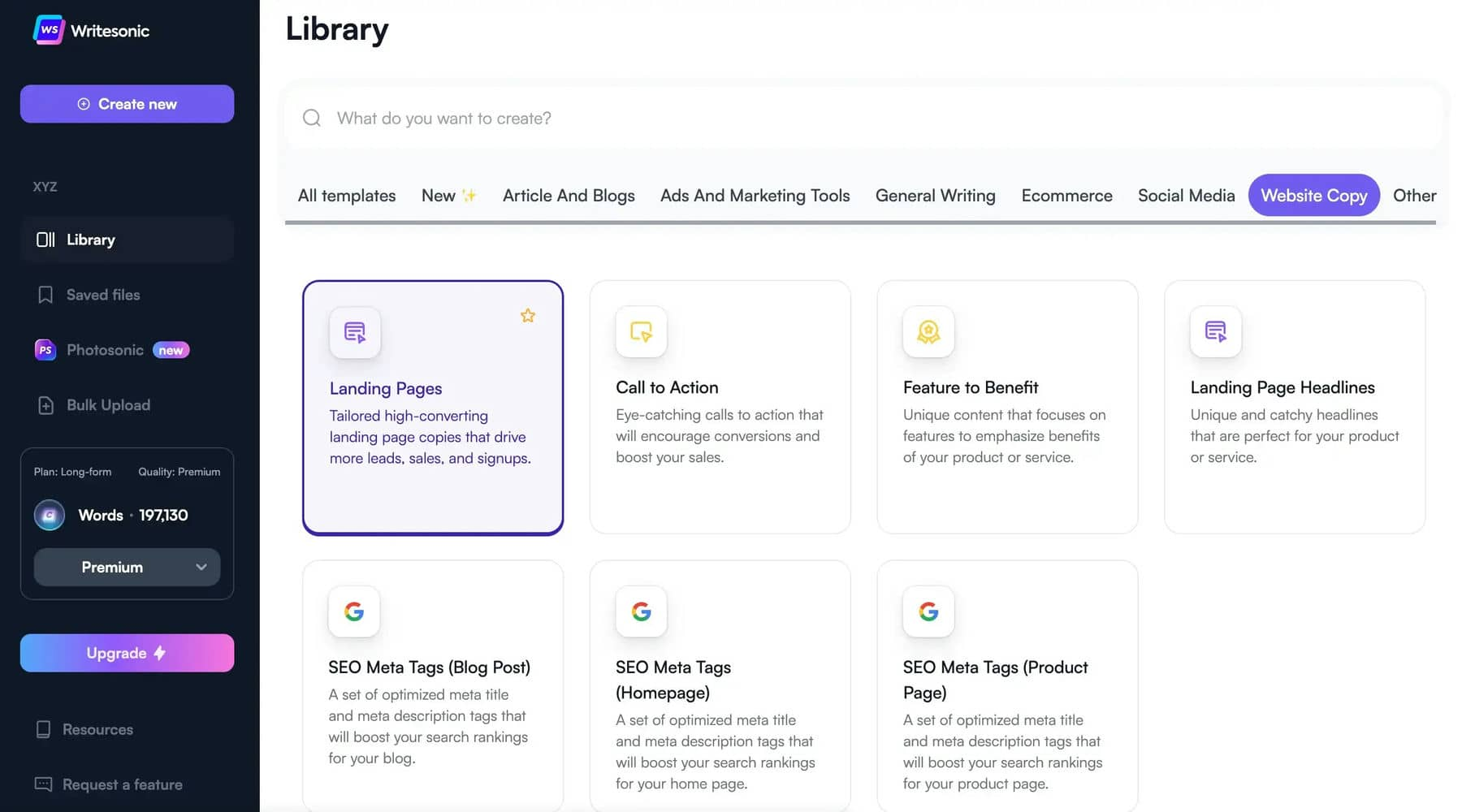
What it does: Writesonic creates AI-generated content drafts that are focused on SEO. It also contributes to the posting of blogs, landing pages, and content renewal processes in line with target keywords and rudimentary search intention indicators.
Best for: SEO departments and content marketers who need to write faster articles without losing their structure.
Integration with WordPress/WooCommerce: Direct WordPress publishing, Chrome extension, and API access to CMS processes.
Key features
- Long-form artificial intelligence (AI) article creation.
- Section creation assisted by key words.
- Rewriting the content to keep up-to-date.
- Generation of meta titles and descriptions.
Pros:
- The rapid written form
- Can be scaled to large volumes
- No requirements, user friendly.
Cons:
- Requires manual fact checking and SEO refinement.
Rating: 8.4/10
Verdict: Good at speeding up the generation of content but should not substitute the SEO strategy.
SurferSEO
Category: On Page SEO Optimization Tool
Price: No free tier. Paid plans start around $89/month.
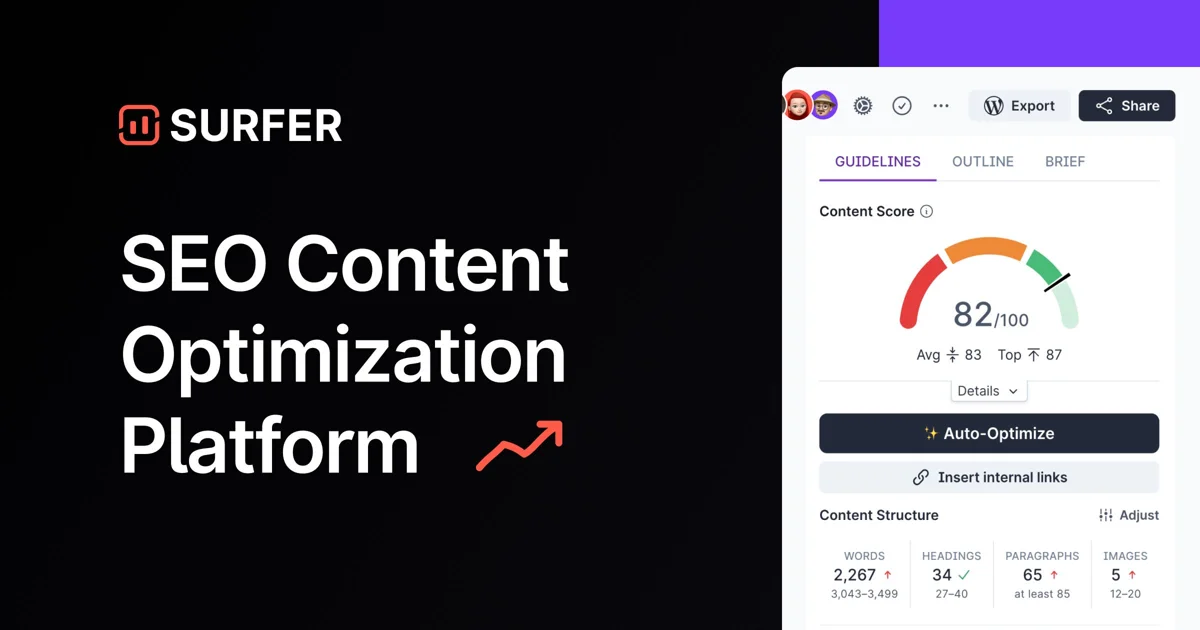
What it does: SurferSEO breaks down the data of top-ranking pages and makes evidence-based suggestions on how to structure content and how to use keywords and cover topics using live SERP data.
Best for: Experts in SEO are optimizing the available pages to enhance ranking.
Integration with WordPress/WooCommerce: WordPress Plugin, Google Docs Integration, Jasper Integration.
Key features
- SERP based content editor
- Recommendations in NLP keywords.
- Heading analysis and structure analysis.
- Content score benchmarking
Pros:
- Strong SERP alignment and clear optimization signals.
Cons:
- It can lead to over-optimization if followed mechanically.
Rating: 9.0/10
Verdict: It is one of the best recommendations that AI can make in optimizing the SEO on a page.
OtterlyAI
Category: AI Search Monitoring & Optimization Platform
Price: Free trial available. Paid plans start at $29/month.
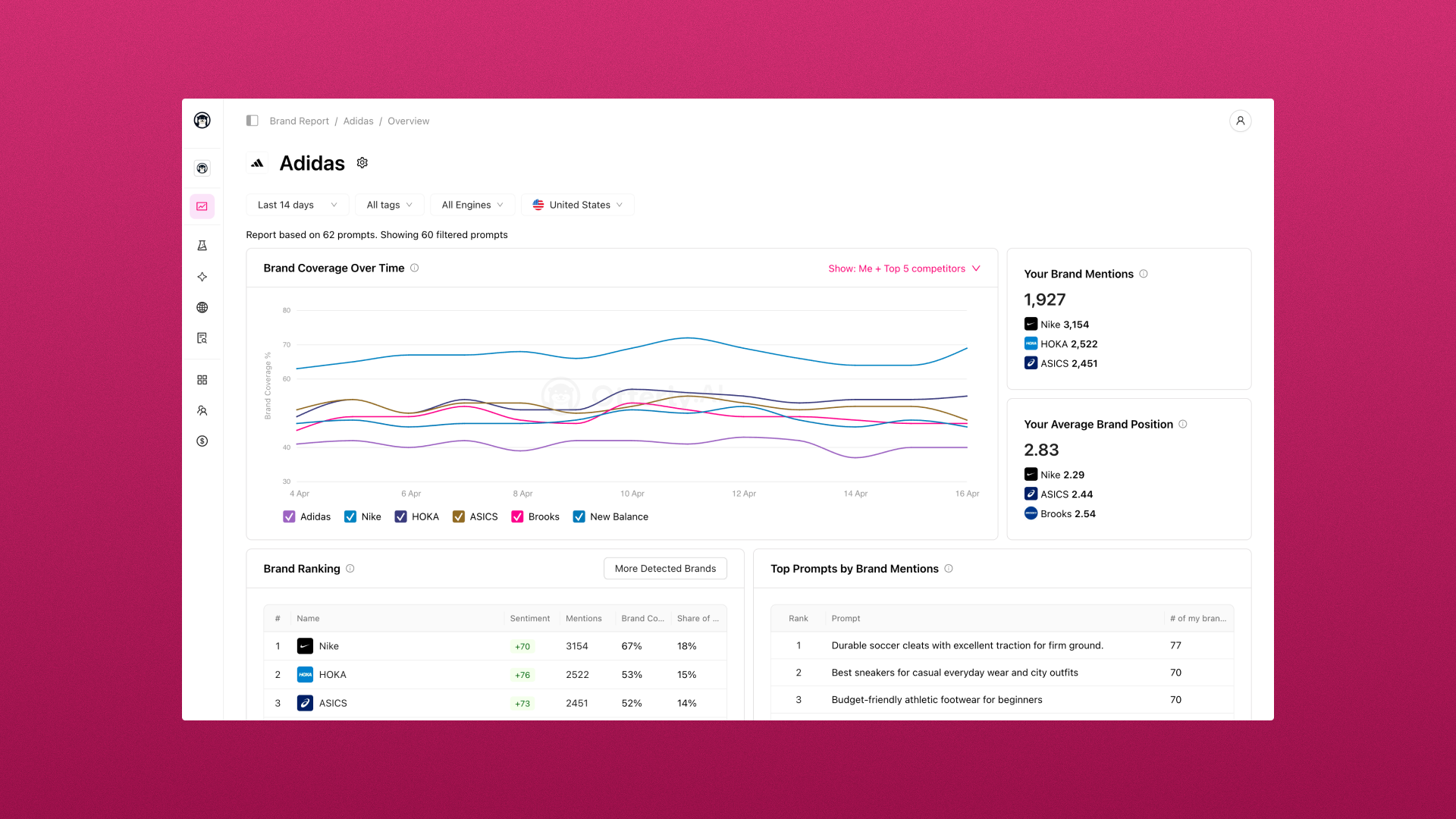
What it does: OtterlyAI is one of the first AI search monitoring and Generative Engine Optimization (GEO) platforms on the market.
It tracks how brands and websites appear in AI-generated answers across ChatGPT, Google AI Overviews, Google AI Mode, Perplexity, Gemini, and Microsoft Copilot.
Teams monitor search prompts, measure brand mentions and citations, and identify content gaps and technical issues through the built-in GEO Audit.
Best for: SEO managers, content strategists, and agencies measuring brand visibility in AI search and prioritizing GEO actions.
Integration with WordPress/WooCommerce: CSV exports, Looker Studio connector, and Semrush App Center availability for reporting workflows alongside CMS platforms.
Key features
- Search Prompt Monitoring across six AI platforms
- Brand Reports with Share of Voice and Brand Visibility Index
- Domain and URL citation tracking
- GEO Audit with Crawlability Checker and Content Checker
- AI Prompt Research Tool and Workspaces for multi-brand management
Pros:
- Broad coverage across major AI search experiences
- Purpose-built for GEO, not a bolted-on SEO feature
- Agency-friendly with Workspaces and unlimited brand reports
Cons:
- Does not replace traditional SEO tools for blue-link rank tracking
Rating: 9.1/10
Verdict: One of the earliest and most established AI search monitoring tools, well suited for teams that need consistent visibility tracking and citation intelligence across the full AI search landscape.
Ahrefs AI Content Helper
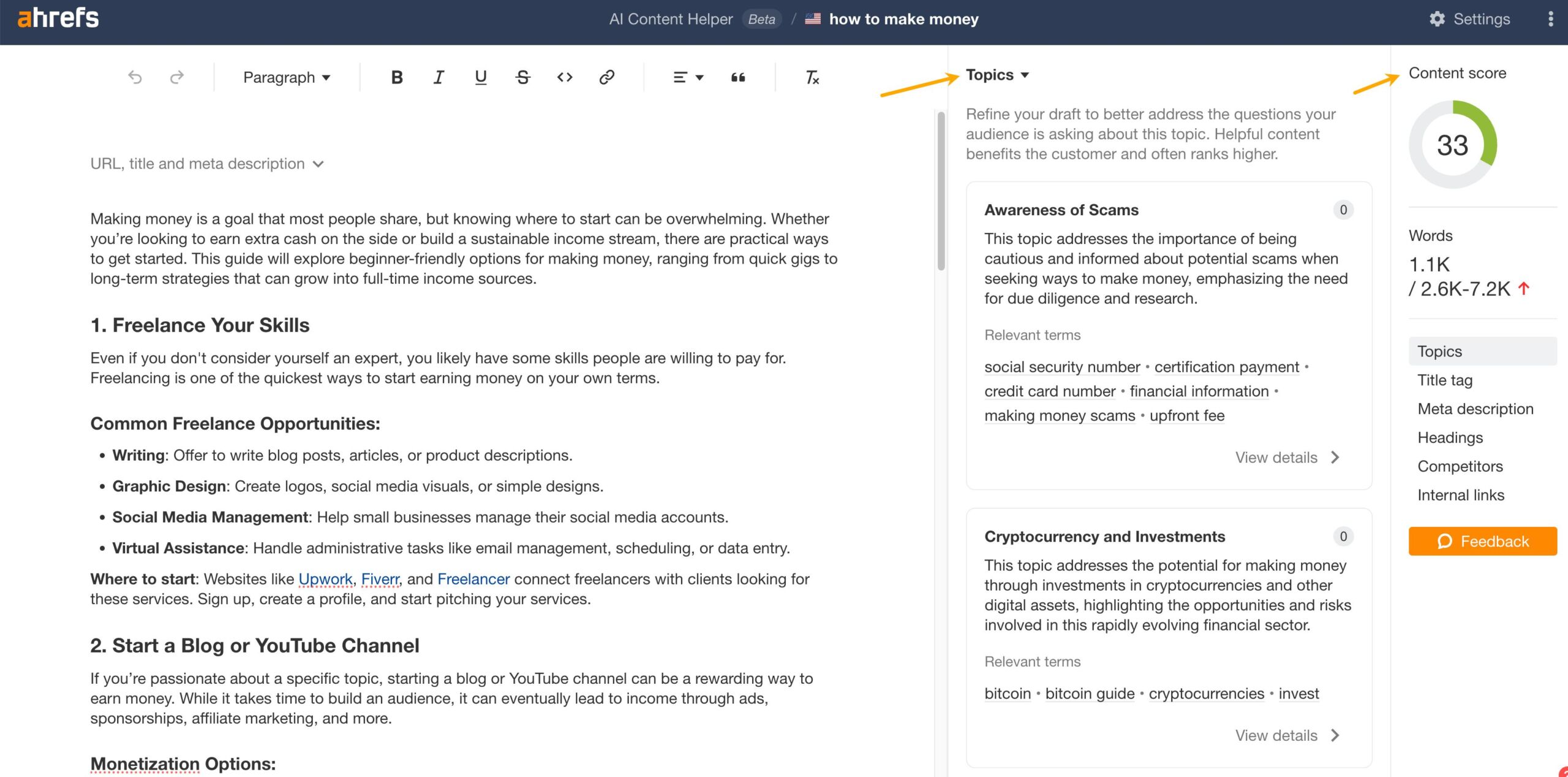
Category: AI-Assisted Content Optimization.
Price: Included in Ahrefs plans from $99/month
What it does: Adopts Ahrefs keyword and SERP information to propose content enhancements, keyhole omissions, and internal connections possibilities.
Best for: SEOs already conduct key-word research and audit using Ahrefs.
Integration with WordPress/WooCommerce: Ahrefs system workflows export based CMS.
Key features
- Keyword gap identification
- SERP intent analysis
- Prompts of content improvement.
- Internal link suggestions
Pros: SERP insights and data which is highly accurate.
Cons: Has to be subscribed to Ahrefs.
Rating: 8.7/10
Verdict: Great improvement of AI to a reputable search engine.
Semrush Copilot
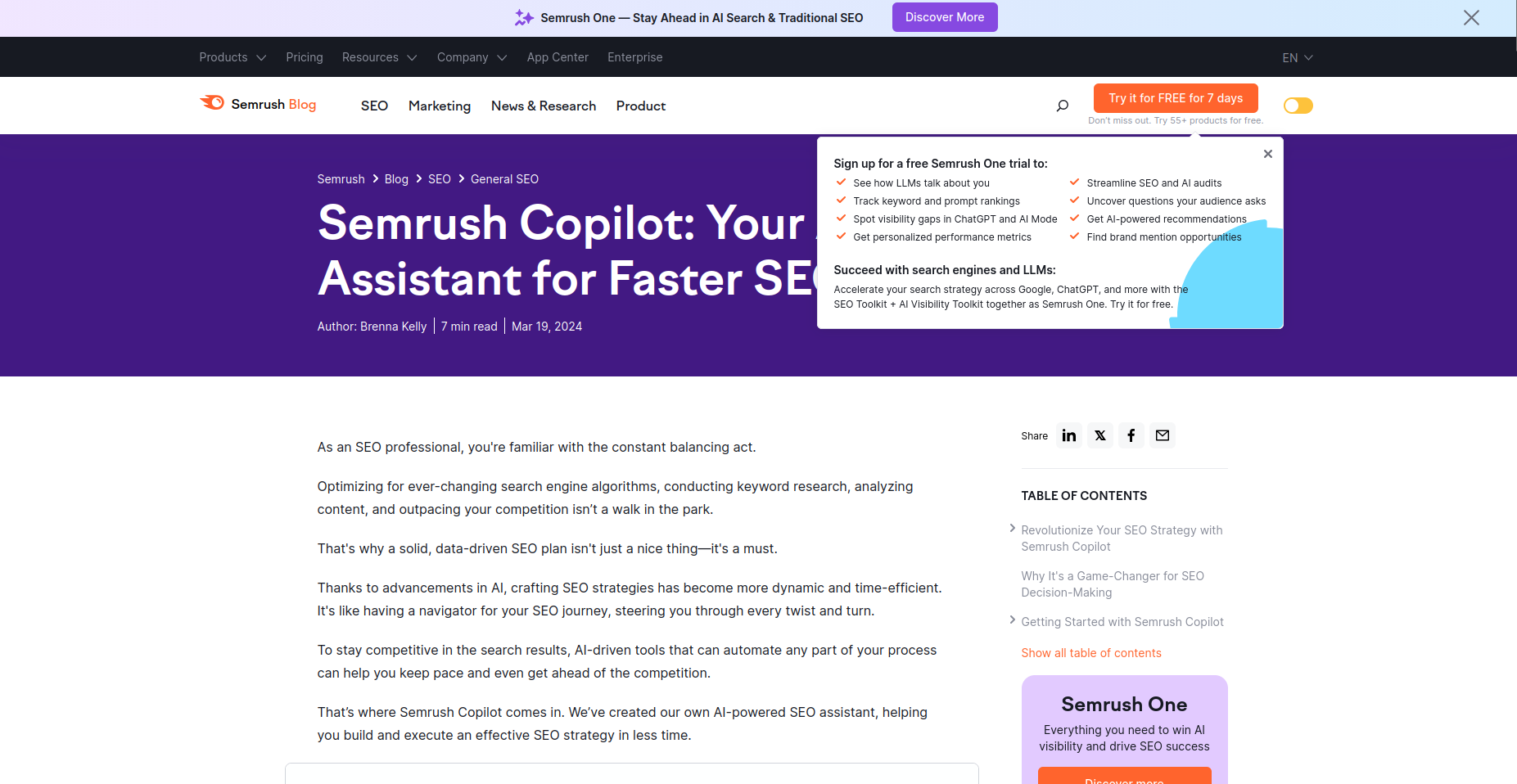
Category: Automated SEO Management
Price: Part of Semrush subscriptions, beginning with 129/month.
What it does: Semrush Copilot fulfills the priority of the SEO activities based on technical analysis, content analysis, and competitor analysis.
Best for: Middle sized teams handling various SEO projects.
Integration with WordPress/WooCommerce: Google Search Engine, Google Analytics, WordPress integration.
Key features
- Search integrity: Automated suggestions of search tasks.
- Priorities in technical issues.
- Optimization of the content.
- Competitor intelligence.
Pros: The strong automation and prioritization.Cons: May be overwhelming to the beginners.
Rating: 8.9/10
Verdict: Effective for operationalizing automated SEO workflows.
ChatGPT
Category: Generalist AI Search Optimization Assistant.
Price: Free and paid plans from $20/month
What it does: ChatGPT is useful in AI Keyword research, topic clustering, content outlines, frequently asked questions, and schema ideation.
Best for: SEO planners and strategists in research and ideation.
Integration with WordPress/WooCommerce: Third-party WordPress integration and API integrations.
Key features
- Keyword clustering
- Content outline generation
- FAQ and schema ideation
- Meta description drafting
Pros: Ideation that is flexible and fast.
Cons: The outputs have to be validated using SEO tools.
Rating: 8.5/10
Verdict: Powerful assistant when paired with data-driven SEO tools.
Alli AI
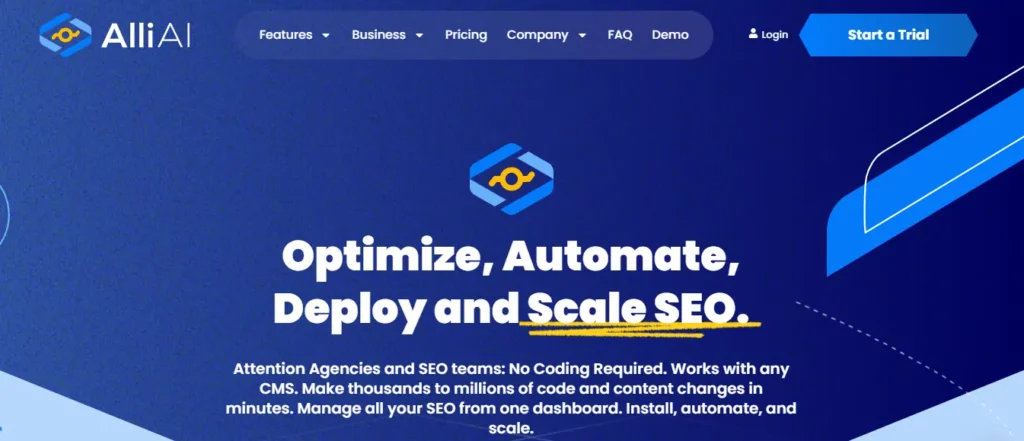
Category: On-Page Automated AI SEO tools.
Price: No free tier. Plans start around $249/month.
What it does: Alli AI machine translates on-page SEO modifications like meta tags and inner connections on massive sites.
Best for: Huge sites containing hundreds and thousands of pages.
Integration with WordPress/WooCommerce: CMS is compatible with WordPress and Shopify.
Key features
- Automated meta tag updates
- Internal connection automation.
- SEO rule based optimization
- Change testing
Pros: Large-scale time savings are important.
Cons: Takes up a lot of time in configuring the rules.
Rating: 8.6/10
Verdict: Good decision to implement automated SEO on a large scale.
Rankscale.ai
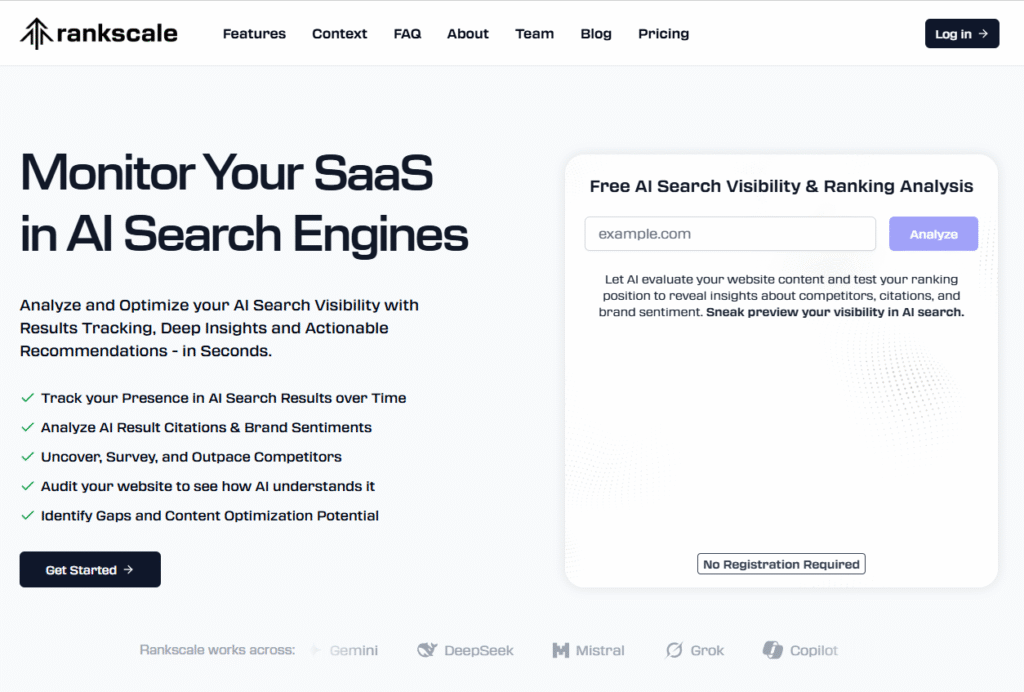
Category: AI Content Evaluation
Price: Limited free scans. Paid plans start at $39/month.
What it does: Measures the quality of the content, its alignment with SERP, and its optimization preparedness with the help of AI scoring models.
Best for: Quick content audits before publishing or updating.
Integration with WordPress/WooCommerce: Manual CMS workflow access to API.
Key features
- Content quality scoring
- SERP alignment analysis
- Optimization suggestions
- Competitor benchmarking
Pros: Fast diagnostics and scoring.
Cons: Low level of technical SEO.
Rating: 7.9/10
Verdict: Helpful supplementary content evaluation tool.
SE Ranking AI Overview Tracker
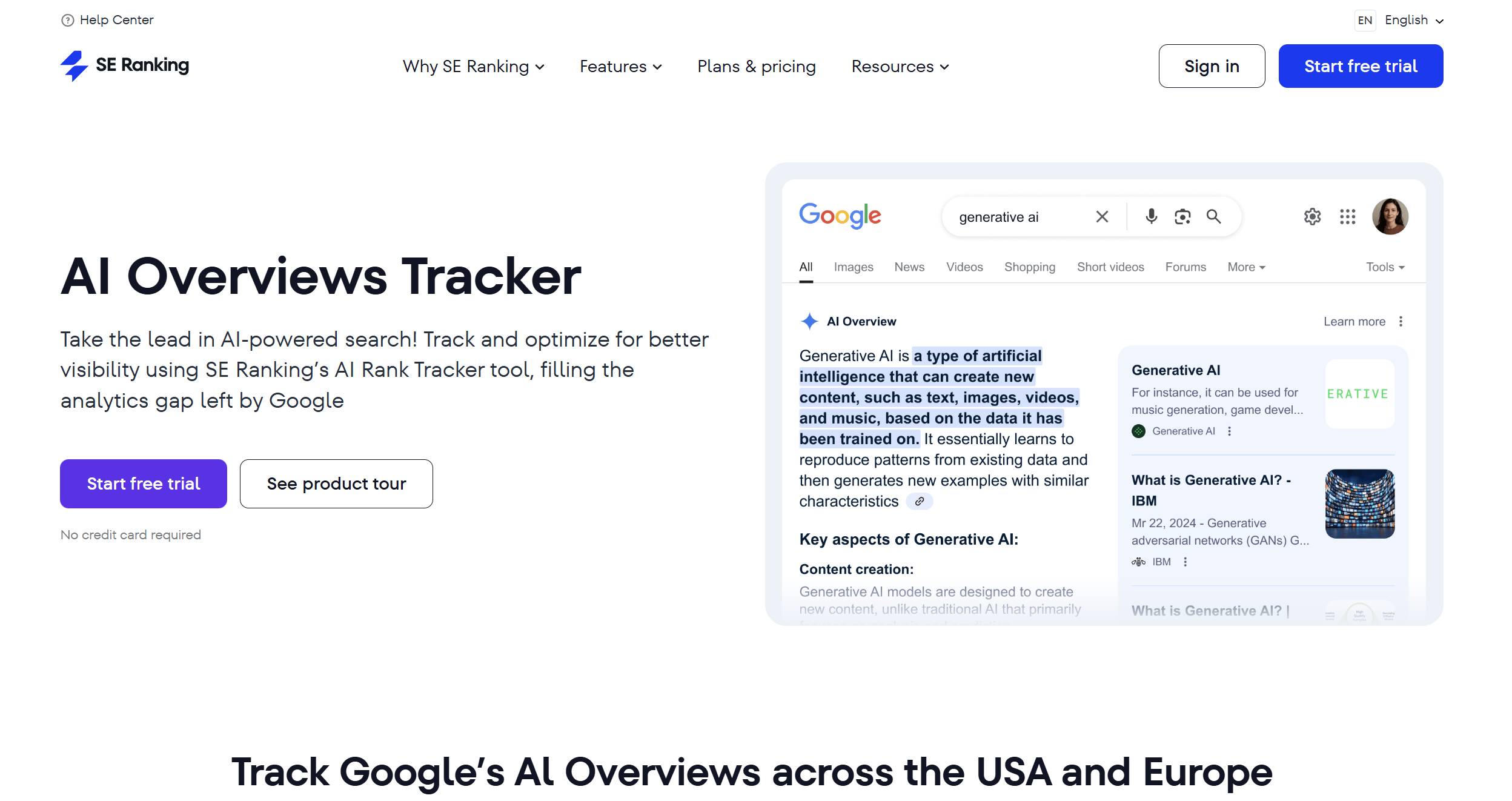
Category: SERP Monitoring Tool
Price: Included in SE Ranking plans from $55/month.
What it does: Tracks AI-created SERP and observes the change in keyword visibility.
Best for: The adaptation of AI SEO tools had an impact on search results.
Integration with WordPress/WooCommerce: Google search engine integration.
Key features
- AI overview tracking
- Keyword rank monitoring
- SERP feature alerts
- Virgin Blue has implemented competitor visibility tracking.
Pros: Visibility into evolving SERPs.
Cons: Limited outside SE Ranking ecosystem.
Rating: 8.2/10
Verdict: Practical solution used to track the current SERP designs.
AirOps
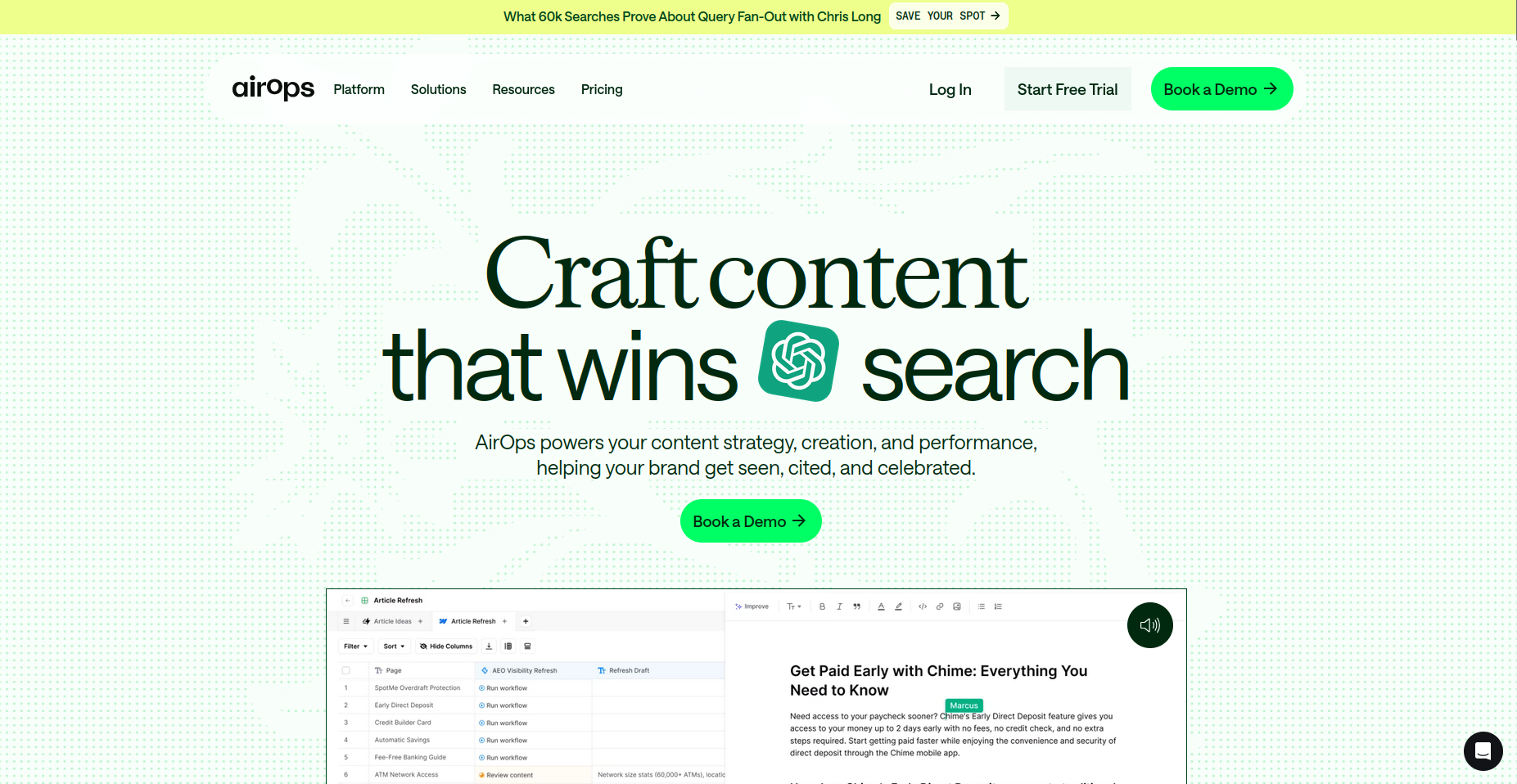
Category: SEO Workflow Automation
Price: Special prices depending on the usage.
What it does: AirOps uses AI-powered pipelines to automate the search and execution workflows of the SEO research and briefing process.
Best for: Well-developed search engine optimization divisions and companies.
Integration with WordPress/WooCommerce: API based CMS integrations.
Key features
- Automated research processes.
- Content brief generation
- Pipeline automation
- Team collaboration
Pros: Completely customisable automation.
Cons: Steeper learning curve.
Rating: 8.4/10
Verdict: Intense automation of developed SEO activities.
Frase
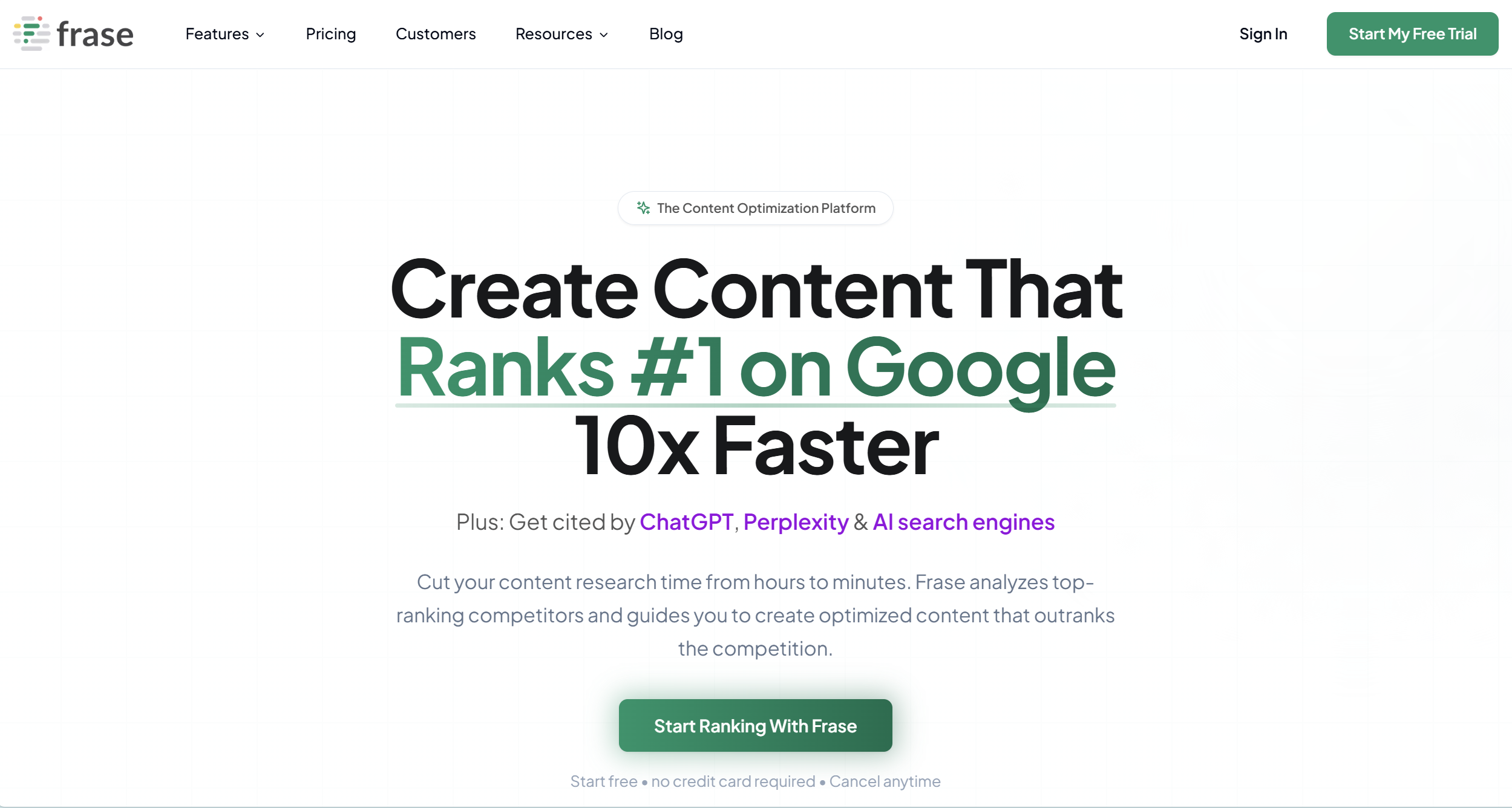
Category: Content Research and Optimization
Price: Paid plans start at $45/month.
What it does: Frase uses SERPs to aid in organizing the content based on the user intent and frequently asked questions.
Best for: Content-oriented search engine optimization processes.
Integration with WordPress/WooCommerce: Integration of the WordPress plug-in and Google Docs.
Key features
- SERP topic analysis
- Content brief creation
- Answer extraction
- Optimization scoring
Pros: Strong intent modeling.
Cons: The lack of technical SEO skills.
Rating: 8.3/10
Verdict: Good intent-driven content optimization tool.
Jasper
Category: AI Writing Assistant
Price: Starts at $49/month
What it does:Jasper will help with the creation of SEO-optimized content by templates and brand voice controls.
Best for: Marketing divisions creating large amounts of content.
Integration with WordPress/WooCommerce: CMS integrations and SurferSEO integration.
Key features
- SEO mode writing
- Brand voice consistency
- Content templates
- Team collaboration
Pros: Scalable content output.
Cons: Needs SEO guidance for best results.
Rating: 8.1/10
Verdict: Can be helpful in scaled content usage with the help of AI SEO tools.
Ranking Improvement Case Studies
When we started implementing these tools across our client portfolio last spring, I'll admit I was skeptical about the whole "AI revolution" hype. But the numbers told a different story than my initial doubts.
Case Study 1: Content Site Scaling Challenge
A nutrition blog wanted to go from 50 articles to 200 without tanking quality. Their writer was burning out trying to maintain depth while hitting deadlines. We brought in Clearscope for semantic optimization and Writesonic for first drafts.
Here's what actually happened: Writesonic gave us structure and coverage, but the drafts were bland. We treated them as outlines rather than finished pieces.
The writer used Clearscope to layer in expertise, personal experience, and the semantic terms that mattered. Productivity tripled, but more importantly, the new articles started ranking faster than their older content.
Average time to page 1 dropped from 5 months to 2.5 months. Sixteen of their new articles cracked the top 5 within 90 days. The secret wasn't the AI doing the work, it was the AI handling the grunt work so the writer could focus on what actually made the content valuable.
Case Study 2: Enterprise Technical Overhaul
A SaaS company with 1,200 product pages had a nightmare scenario. Their meta descriptions were duplicated across hundreds of pages. Their internal linking pointed to deprecated URLs. Manual fixes would've taken months and cost a fortune.
Alli AI let us create rules that fixed meta tags site-wide in one afternoon. We set up automated internal linking that connected related product features without touching every single page individually. The technical cleanup that should've been a three-month project wrapped up in two weeks.
Rankings didn't explode overnight, but the steady climb started immediately. Six months later, they'd improved average position by 8 spots across their target keywords. More importantly, their new pages started ranking within weeks instead of languishing for months.
What Actually Drives Results
After working with these tools on dozens of sites, patterns emerged that surprised me. The biggest wins didn't come from the fanciest AI or the most expensive tool. They came from three things:
Speed of execution matters more than perfection. Sites that updated content every two weeks consistently outperformed sites that spent two months crafting the "perfect" page. AI tools let you iterate fast enough to matter.
Combination beats isolation. Nobody won by using just one tool. The dental practice used Frase for intent, ChatGPT for FAQ ideation, and Semrush for tracking. The outdoor gear store combined Surfer with Ahrefs for gap analysis. Stacking tools in logical workflows multiplied results.
Human judgment still decides outcomes. Every failed implementation I saw had one thing in common: someone blindly followed AI suggestions without asking if they made sense. The tools that worked best were the ones that enhanced human decision-making rather than replacing it.
Comparison Table Section
|
Tool |
Function |
Time Saved |
Avg Ranking Lift |
Price |
Integration |
|
Writesonic |
Content drafting |
6–8 hrs/article |
12–18 |
From $19 |
WordPress |
|
SurferSEO |
On page SEO |
8–12 hrs/article |
10–15 |
From $89 |
WP, Docs |
|
OtterlyAI |
AI Search Monitoring & Optimization |
7–9 hrs/article |
10–12 |
From $29 |
WP |
|
Ahrefs AI Helper |
Content gaps |
6–10 hrs/article |
10–14 |
From $99 |
Ahrefs |
|
Semrush Copilot |
SEO automation |
10–15 hrs/month |
8–13 |
From $129 |
GSC |
|
ChatGPT |
Research |
4–6 hrs/article |
6–10 |
Free–$20 |
API |
|
Alli AI |
On page automation |
15–20 hrs/month |
12–18 |
From $249 |
CMS |
|
Rankscale.ai |
Content scoring |
3–5 hrs/article |
6–9 |
From $39 |
API |
|
SE Ranking AI Tracker |
SERP tracking |
6–8 hrs/month |
5–8 |
From $55 |
GSC |
|
AirOps |
Workflow automation |
12–18 hrs/month |
10–16 |
Custom |
API |
|
Frase |
Intent optimization |
6–9 hrs/article |
8–12 |
From $45 |
WP |
|
Jasper |
Content scaling |
7–10 hrs/article |
10–15 |
From $49 |
Surfer |
The best ranking increases are made by tools oriented to page optimization and automation. There are smaller standalone gains generated by AI keyword research and ideation tools, but greater performance when used with optimization platforms.
Implementation Guide
Step 1: Select a tool for researching keywords. The choice of a single central platform, e.g., Ahrefs or Semrush. Additionally, ChatGPT clustering and ideation.
Step 2: Set up rank tracking. Create basic rankings with the help of SE Ranking or Semrush. Monitor weekly movement.
Step 3: Integrate with WordPress Connect SurferSEO, Frase, or Writesonic to WordPress to make updates easier.
Step 4: Optimize content systematically or refresh content using AI. Test modifications in view of SERP will and rival organization.
Step 5: Monitor and iterate. Optimize the content depth, internal linking, and techs with the aid of the performance data.
With proper implementation, AI SEO tools save on time spent in executing them, improve consistency, and time spent in ranking, and also save on ranking time without compromising on the essential aspects of SEO.