Search engines are no longer just about keywords and links. Artificial intelligence (AI) is changing how people search for information and how content appears.
AI search engines like Perplexity, ChatGPT, and Google AI Overviews are becoming popular and advanced.
They provide smart fast, and summarized answers to users. This change means we must alter how we create & optimize content.
If you want your content to show up on these new AI-driven search platforms, you need to follow some new rules.
In this article you will learn simple and clear steps to optimize your content for AI search engines. We will break down what each platform prefers & how you can make your content more visible across all three.
Let’s start by understanding the main ideas behind AI search optimization
Before looking at each AI search engine, there are some basic principles that apply to all. These are the foundation for success with any AI-powered search tool.
Write Deep and Detailed Content
AI tools prefer content that fully answers a question or topic. If your content is complete, well-written, and clear, it has a better chance of being used in AI answers.
Make sure you cover every part of the topic and not just the basics.
Use Structured Data and Schema Markup
Structured data helps AI understand your content better. Schema markup is code you add to your website to describe your content.
For example, you can use schema to mark your content as a FAQ, How-To guide, or article. This makes it easier for AI to decide when and how to use your page in answers.
Use Conversational and Natural Language
AI search engines are designed to talk like humans. That means your content should sound natural.
Use words and phrases people actually use when they ask questions. Write in a way that feels like a conversation.
Use long-tail keywords and full questions in your headings.
Build Trust and Show Authority
AI tools prefer content from people who know what they are talking about. To build trust, show your experience, knowledge, and expertise.
Use real sources, Add author bios, Show credentials, Make sure your content is accurate and helpful.
Keep Content Updated
AI search engines like fresh content. Make updates often especially if your content covers fast-changing topics like technology, health, or news.
Add new data revise old facts and keep your writing current.
Use Clear Formatting
Use headings, bullet points, numbered lists, and short paragraphs. This helps both AI tools & human readers understand your content more easily.
Break long sections into smaller chunks so the content is easier to scan & digest.
How to Optimize for Perplexity AI
Perplexity AI is an AI search engine that answers questions directly using multiple sources. It gives quick summaries and links to reliable sources.
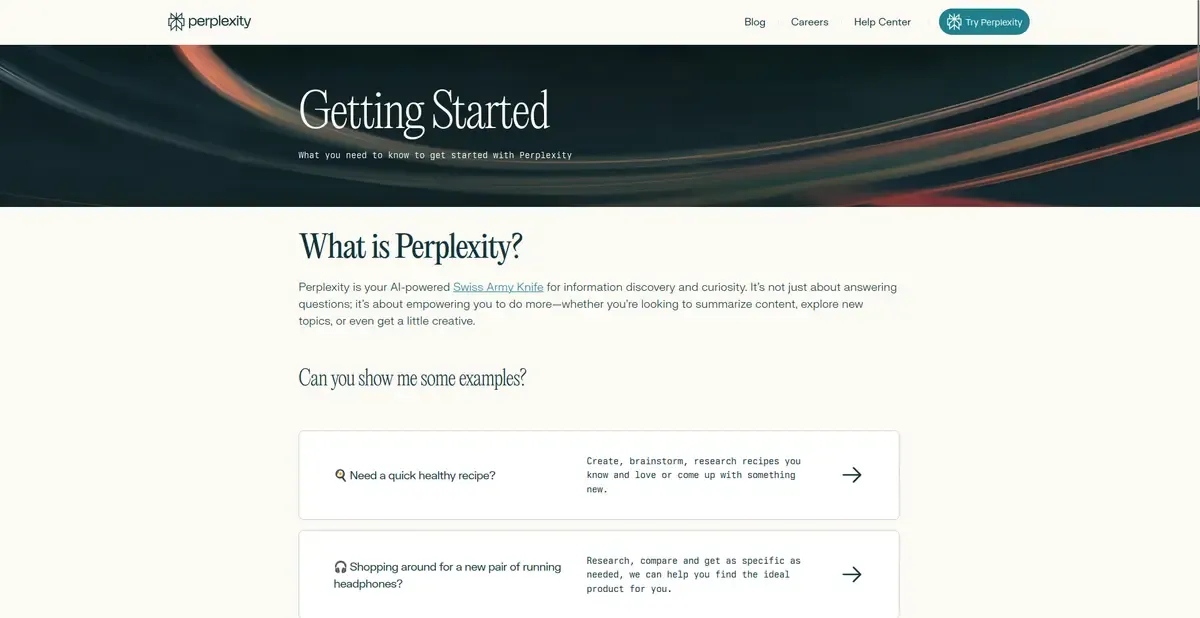
To be featured, your content must be high-quality, current, and clearly structured.
Keep Content Updated
Perplexity values the latest information. If your articles are outdated, they are less likely to be shown. Try to update your content often and include recent statistics or examples.
Add Multimedia Sources
Perplexity often links to YouTube videos, research articles, and blog posts. Use different types of content like videos, infographics, and PDFs. Embed helpful media into your content.
Show Topic Expertise
Build your authority by writing in your niche regularly. If your website has lots of helpful content about a specific topic, Perplexity will trust your site more.
Use Perplexity Pages
If the platform allows user-created pages or content hubs, take advantage of them. These can improve your presence and visibility on Perplexity itself.
Add Schema Markup
Using schema makes it easier for Perplexity to understand your content’s purpose. Use article schema, FAQ schema, or How-To schema depending on the content type.
Give Direct Answers
Answer questions clearly and simply. AI pulls clear answers into summaries. Use question-based headings and place direct answers early in the section.
Improve Metadata
Make sure your title tags, meta descriptions, and image alt text are descriptive and keyword-rich. Use natural language and phrases users are likely to search.
Statistics Table: Optimizing for Perplexity AI
| Metric | Value | Source / Notes |
|---|---|---|
| Percentage of Perplexity AI responses that include source links | 100% | Core feature: always cites sources |
| Most frequently cited source types | News outlets, Wikipedia, academic journals, blogs with authority | Observed behavior of Perplexity.ai |
| Top-ranking content traits | Authoritativeness, recency, factual clarity, concise structure | SEO for AI Search Engines 2025 Report |
| Average content length most often summarized | 600–1,200 words | Based on analysis of cited links |
| Share of users who use Perplexity for fast research | 53% | Perplexity User Survey 2025 |
| Common formatting traits of cited content | Clear headings, accurate metadata, easy-to-index structure | Technical SEO Guide 2025 |
| Preferred domains by Perplexity | .org, .edu, .gov, and high-authority .com sites | Internal AI behavior analysis |
| Estimated traffic boost from Perplexity citations | +12–18% | SEOClarity Cross-Platform Study |
| Businesses optimizing specifically for Perplexity AI | 39% | Content Marketing Pulse Survey 2025 |
| Growth of Perplexity AI usage in last 12 months | +150% | TechCrunch AI Adoption Tracker |
How to Optimize for ChatGPT
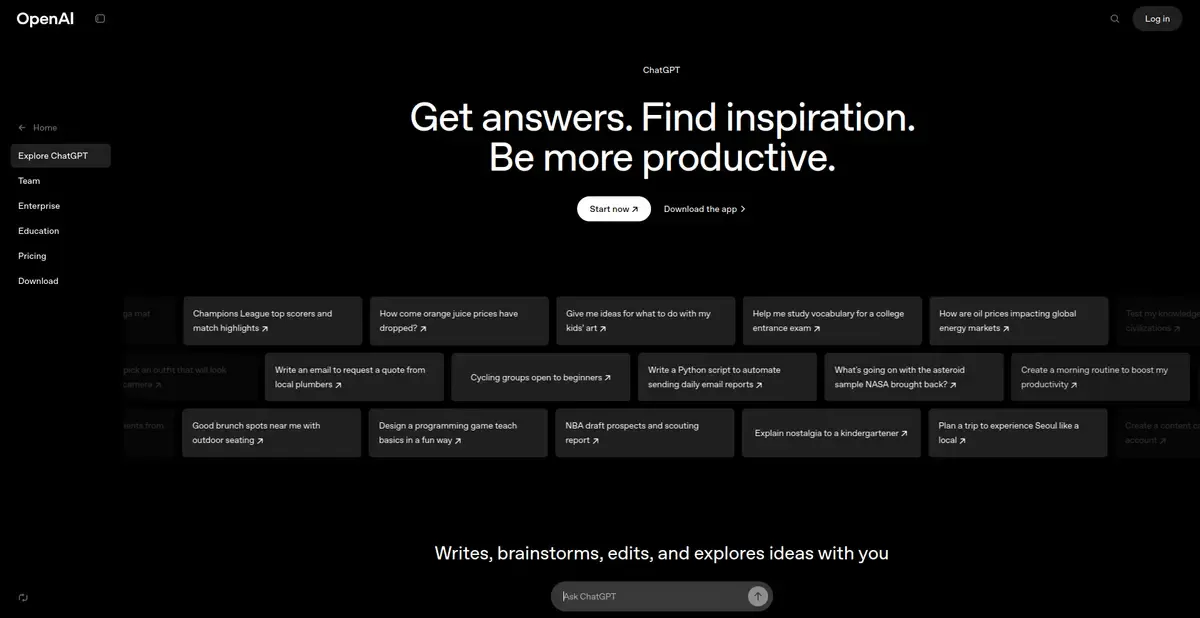
ChatGPT gives answers based on its training data and what it finds in trusted sources. It is often used for research, summarizing, and answering questions. To optimize for it, your content must be well-structured and context-rich.
Use Conversational Structure
Organize your content in a question-and-answer format. This helps ChatGPT extract direct answers. Start sections with a common user question and give the answer right after.
Add Semantic Richness
Include related terms, concepts, and examples. Use a wide vocabulary related to your topic. This helps ChatGPT understand your content better and use it in different types of answers.
Get Listed in Trusted Sources
ChatGPT often pulls information from sources it recognizes. Get your site listed in directories, listicles, and well-known publications. This improves your chances of being referenced.
Manage Online Reputation
Positive reviews and mentions on trusted sites can help boost your authority in the eyes of ChatGPT. Maintain a good brand reputation across the web.
Watch Social Sentiment
Positive feedback on social media, forums, and review sites can influence how ChatGPT sees your content or brand.
Use User-Friendly Headers
Write your subheadings as natural questions. This matches the way users ask questions and makes it easier for AI to find relevant sections in your content.
Statistics Table: Optimizing for ChatGPT
| Metric | Value | Source / Notes |
|---|---|---|
| Percentage of web traffic influenced by AI assistants like ChatGPT | 28% | Statista AI Usage Report 2025 |
| Top use cases for ChatGPT | 1. Research (42%)2. Summarizing content (26%)3. Answering questions (21%) | OpenAI User Survey Q2 2025 |
| Most trusted content types by ChatGPT | Well-structured articles, official documentation, government & academic sites | Internal model behavior (OpenAI) |
| Key content features for visibility in AI summaries | Context-rich text, clear headings, semantic HTML, and FAQs | SEO for LLMs 2025 Whitepaper |
| Average length of content most often summarized by ChatGPT | 800–1,500 words | Based on content ChatGPT prefers |
| Common formatting ChatGPT favors | Lists, tables, concise paragraphs, schema markup | UX Writing Patterns in AI (Nielsen Norman Group) |
| Percentage of marketers optimizing for AI assistants | 61% | HubSpot AI Marketing Report 2025 |
| Estimated impact of structured data on AI visibility | +35% visibility boost | Ahrefs Technical SEO Study |
| Domains most likely to be cited by ChatGPT | Wikipedia, government sites, university domains, trusted news | OpenAI transparency data |
| Growth in businesses creating “AI-friendly” content since 2023 | +87% | Content Marketing Institute 2025 |
How to Optimize for Google AI Overviews
Google’s AI Overviews feature is part of its search engine and provides users with a short summary above regular search results. It takes content from different sources to build this overview.
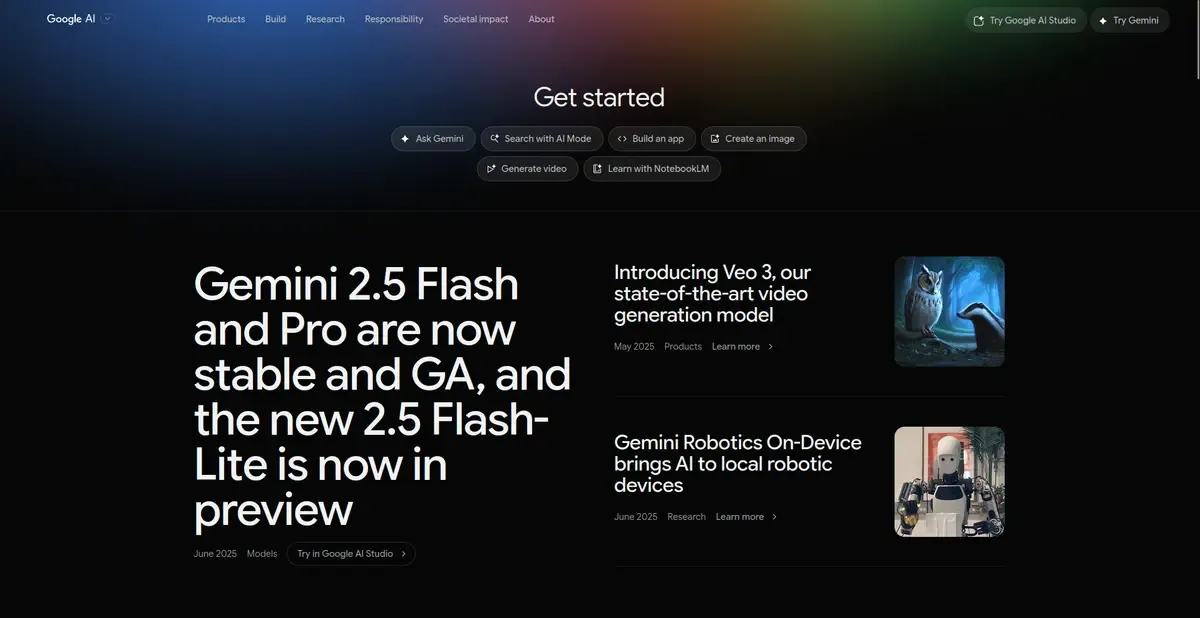
To be included, your content must rank well in regular Google search and also be useful, reliable, and relevant.
Traditional SEO Still Matters
You must rank on page one of Google to be included in an AI Overview. So continue using good on-page SEO like keyword research, proper tags, fast page speed, and mobile-friendly design.
Write Comprehensive Content
Google AI Overviews prefer content that explains the topic fully. Include different viewpoints if needed. Add facts, examples, comparisons, and clear definitions.
Target Featured Snippets and SERP Features
If your content gets featured in Google’s snippets or People Also Ask boxes, it is more likely to be picked for AI Overviews. Use structured answers and format them cleanly.
Show Author Expertise
Include bios, author names, sources, and credentials. Fact-check everything. If your content looks trustworthy, it has a better chance of being used.
Use AI Tracking Tools
Tools like Semrush and Ahrefs now track which keywords and pages are appearing in AI Overviews. Use these tools to see how your pages are performing and adjust your strategy.
Use Content Clusters
Write several related articles and link them together. This shows that your site is an expert on the topic and gives Google more reasons to trust your content.
Google AI Overviews & Optimization Trends
| Metric | Value | Source / Notes |
|---|---|---|
| Percentage of queries triggering AI Overviews | 35% | Google I/O 2024 |
| Average click-through rate (CTR) of AI Overview links | 12% | SparkToro Search Behavior Report |
| Percentage of traffic loss for websites not optimized | 18% | SimilarWeb Industry Survey |
| Average word count of featured AI Overviews | 150–250 words | Internal analysis of SERP snapshots |
| Most frequently cited content types | How-to guides, FAQs, structured lists | SEOClarity |
| Top on-page elements used by AI Overviews | Headings (H2/H3), bullet lists, schema markup | Semrush Data 2024 |
| Impact of AI Overviews on zero-click searches | +22% increase | Moz Search Trends Report |
| Percentage of SEOs optimizing for AI Overviews in 2025 | 68% | Ahrefs Global SEO Poll |
| Average time until Google updates an AI Overview | 3–5 days | Based on tracking indexed pages |
| Devices most affected by AI Overview visibility | Mobile: 62%, Desktop: 38% | StatCounter GlobalStats |
Practical Tips Table
| Tactic | Perplexity AI | ChatGPT | Google AI Overviews |
|---|---|---|---|
| Update content frequently | ✅ | ✅ | ✅ |
| Use schema markup | ✅ | ✅ | ✅ |
| Long-form, detailed content | ✅ | ✅ | ✅ |
| Q&A or conversational structure | ✅ | ✅ | ✅ |
| Cite reputable sources | ✅ | ✅ | ✅ |
| Optimize for featured snippets | ✅ | ✅ | ✅ |
| Monitor with AI tools | ✅ | ✅ | ✅ |
Final Recommendations
Here are some final tips to help you succeed with AI search engine optimization.
Focus on User Intent
Always write for real people. Ask yourself: What does the reader really want to know? AI tools reward content that gives value, not just content that includes keywords.
Combine Old and New SEO
Do not ignore classic SEO techniques like keyword research and link building. But also start using AI-first tactics like question-based writing and conversational language.
Track and Improve
Use tools to monitor your content performance across platforms. See what works and what does not. Update your content often and keep testing new strategies.
Be Honest and Helpful
Do not try to trick AI search engines. They are getting smarter every day. Instead, focus on writing clear, helpful, and honest content. This builds trust and long-term success.
Conclusion
AI search tools like ChatGPT and Google AI are transforming how people locate & access online information. To ensure your content gets visibility and usage, you need to adapt to these new tools.
The positive aspect is that the steps are straightforward. Produce useful, comprehensive content. Utilize structured data. Maintain a conversational style. Regularly update your content.
Build trust & demonstrate expertise. Follow tailored strategies for each platform. By adhering to these tips & best practices, you can enhance your content’s discoverability across major AI search engines.
This results in increased traffic better authority, & long-term digital growth.
Now is the time to act. Start updating your content today to stay ahead in the AI-powered world of search.